
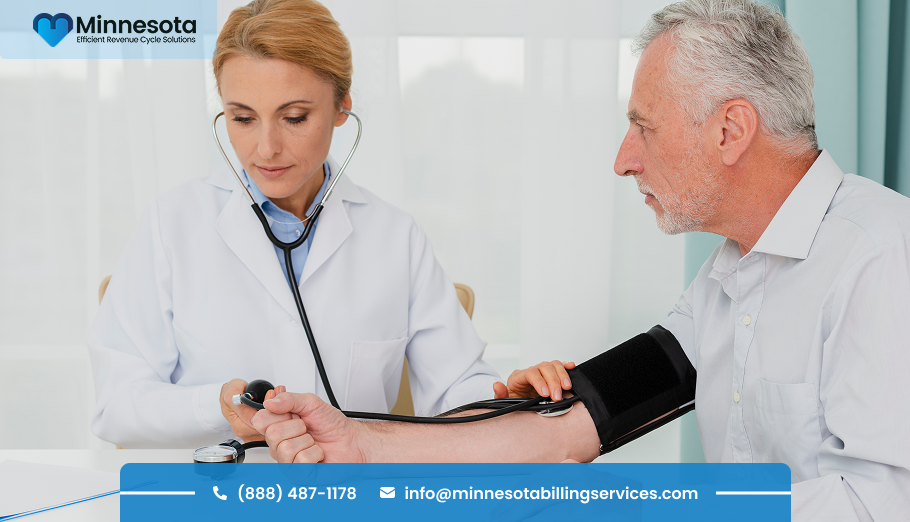
Hypertension or high blood pressure negatively impacts millions of Americans. With more individuals diagnosed with hypertension. It’s important to adopt a chronic care management approach and track health regularly to achieve positive outcomes.
CCM includes regular visits, proper medication, and ongoing support from healthcare providers. This blog will explore all you need to know about hypertension chronic care management, including how its implementation can improve patient`s health.
Understanding Hypertension
When the force of blood flow through the blood vessels is higher than normal, moreover, it puts extra strain on the heart and vessels.
In simple words, when your blood flow elevates more than normal flow and remains in the same position for more than three months, it’s known as hypertension.
As per CDC, hypertension negatively impacts 47% of the adults in United States. Hypertension is also known as the silent killer in America due to its non-noticeable symptoms.
There are two types of hypertensions:
- Primary Hypertension: often caused by the lifestyle such as unhealthy eating, stress and lacking physical activity.
- Secondary hypertension: usually caused by medical conditions such as thyroid, kidney problems, and coronary artery disease.
Ignoring hypertension can cause serious heart-related issues such as strokes and heart attacks. Therefore, patients must follow up with doctors and should remain updated with latest advancements to offer the best possible treatment.
Chronic Care Management
Chronic care management is a primary servicer governed by CMS that has a huge impact on patient health. In addition, patients suffering with more than two chronic conditions get top-quality chronic care that includes a detailed treatment plan and education about the disease.
Patients can efficiently manage their health using these services and make necessary treatment adjustments when required. CCM services focus on keeping patient intact with their doctors and taking regular care of their health.
However, CCM does not require a patient to frequently visit the facility for medical checkups. Physicians can also bill their patients for remote monitoring services along with chronic care management.
CMS (Center of Medicaid and Medicare services) also indicates that chronic care reduces the healthcare cost and improves overall patient health.
CPT Codes for Chronic Care Management
In medical billing, CPT (current procedural technology) codes refer to a set of codes that physicians use to report and bill various surgical and diagnostics procedures/services.
Similarly, CCM has its own dedicated codes to help provider understand the nature of service given to the patients
Here are the codes physicians should use when billing the chronic care management services.
- 99490: Providers use this code for a 20-minute, online patientcare services per month for individuals with two or more than two chronic conditions. This session includes drug therapy and care planning.
- 99487: This code indicates that patients might have severe chronic related diseases. Moreover, physicians conduct a 1-hour online session for these conditions.
- 99489: Experts assign 99489 codes if a patient needs an extra 30-minute session after the 1-hour non-face-to-face care coordination service.
- 99491: When the patient gets treatment from a provider who is not the part of his existing team, 99491 code is used in that case
Key Aspects of Chronic Care Management
Chronic care management includes various components that work well when combined together and help patient achieve positive health goals.
- Patient-oriented care: chronic care management revolves around a patient`s health. CCM ensures every individual, fighting with chronic conditions, to get dedicated attention.
- Regular follow-through: Patients suffering from hypertension require regular check-ins with healthcare providers to track their blood flow progress and enjoy a healthy life.
- Medication: Timely medication is crucial for stable chronic health. In simple words, patients must take prescribed medicines on time and consult with the physician for any changes if required.
- Lifestyle changes: regular exercise and a balanced diet are the two crucial pillars for positive chronic health.
- Patient Awareness: apart from treatment, and lifestyle changes, patient education is very important. Learning about the reasons behind chronic conditions and how to cope with them can help patients recover very quickly.
What are the Benefits of Chronic Care Management
Here are the benefits of chronic care management for the patients
More engagement with physicians: patients with hypertension have to remain in coordination with physicians, which increases engagement allowing patients to learn more about the disease.
Lower Costs: Medicare B offers great coverage on hypertension diseases, reducing the overall healthcare costs for the patients.
Limited facility visits: an expert can offer treatment without asking patients to visit the clinic, resulting in very limited clinical visits.
Coordinated care: chronic care management also benefits the patients by keeping them in the provider`s loop, improving the coordinate of care.
Closing Thoughts
Hypertension is a silent killer for the American patients due to its less noticeable symptoms at the earliest stage. However, ignoring the condition results in severe issues such as strokes and heart attacks.
Therefore, chronic care management becomes crucial for patients to live a balanced life. In addition, chronic care management benefits patients by reducing their clinic visits, allowing them to learn more about this condition and adopt healthy lifestyles.
Frequently Asked Questions
What is hypertension chronic care management?
Hypertension chronic care management refers to a healthy approach for controlling the blood pressure by changing daily diet, doing exercise and living a healthy life.
What are the Important components of chronic care management?
- Patient-centric care
- Medication
- Regular follow-up with providers
- Life-style changes
- Education about chronic diseases
How to control high blood pressure?
There are numerous ways to counter high blood pressure
- Regular exercise
- Earing healthy diets.
- Take medications
- Manage stress
What are the benefits of hypertension chronic care management?
- Better understanding about chronic disease
- Lower facility visits
- Lower treatment costs
- Coordinated care
What are the symptoms of hypertension?
Usually, hypertension symptoms remain unnoticeable at the start. However, below are some indicators you must know
- Severe headaches
- Nausea
- Chest pain
- Vomiting
- Vision changes
- Shortness of breath